
Innovation Grant Winners
2026/2027 Innovation Grant Projects and Award Amount
PAMED is thrilled to award our Innovation Grant to these deserving members! Read about them and their exciting projects below.
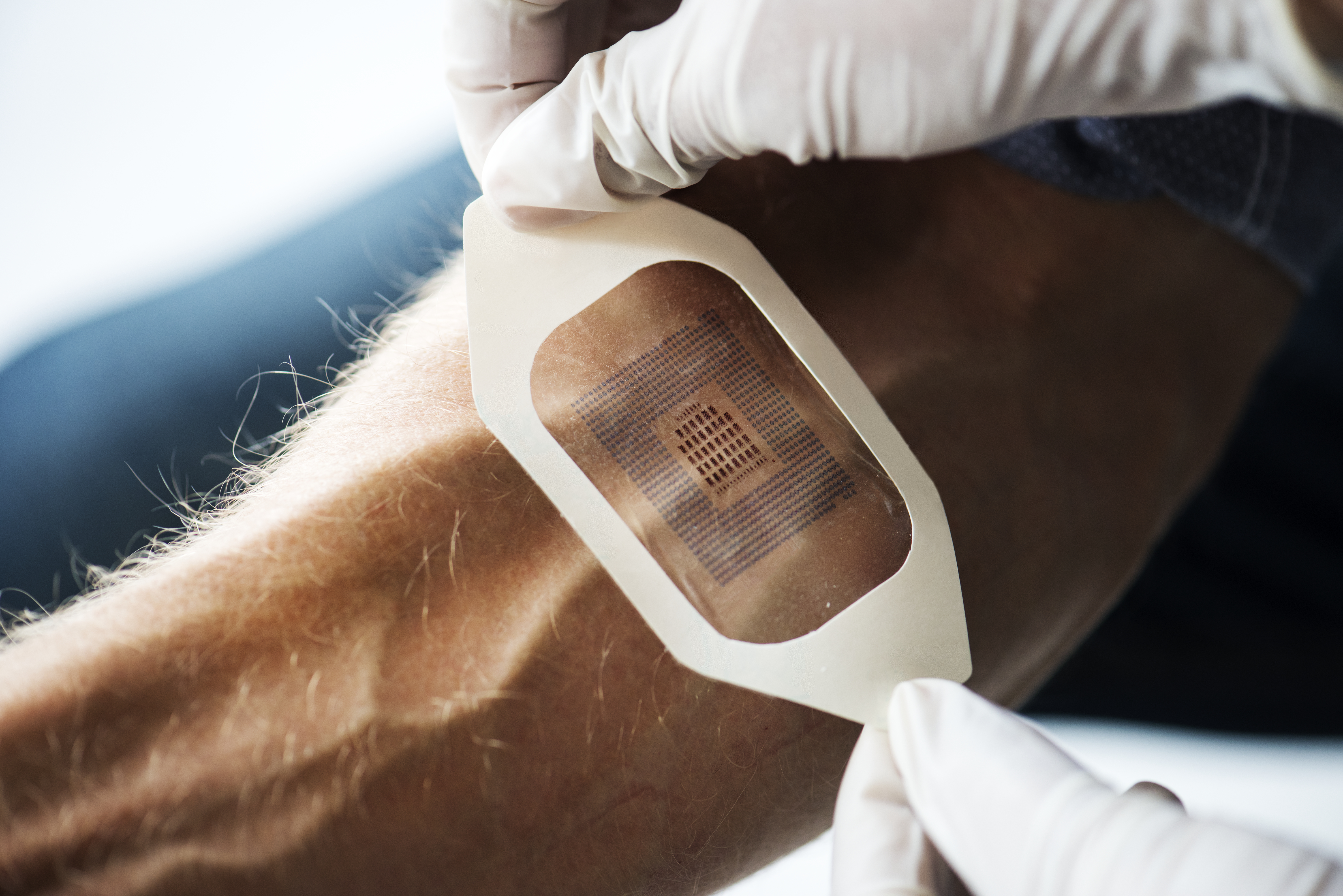
Transdermal Codrug Patch for Guideline-Directed Medical Therapy (GDMT) Adherence in Heart Failure with Reduced Ejection Fraction (HFrEF)
Recipient: Dr. Brendan Carry - Continuity Medical, Inc (Danville, Pa)
Grant amount: $100,000
Project Goal – To synthesize a codrug and validate its delivery via a transdermal patch system. It is believed the resulting system will offer advantages over current Guideline-Directed Medical Therapy (GDMT).
Project Summary – The project is designed to benefit adults in heart failure with reduced ejection fraction (HFrEF), with particular emphasis on populations at higher risk for poor GDMT adherence (e.g., older adults, residents of rural or medically underserved areas, and racially/ethnically minoritized groups).
The benefits will include:
- Improved adherence and consistent GDMT exposure.
- Avoidance of GI side effects associated with oral GDMT.
- Potential reductions in GDMT-related treatment gaps, hospitalizations, and decompensation events, leading to improved quality of life.
- Expansion of GDMT reach to populations traditionally underrepresented in heart failure care through delivery platform amenable to diverse clinical settings.
Objective, Scalable Neuromodulation Optimization Using High-Density Surface EMG to Improve Quality, Access, and Cost-Efficiency of Care

Recipient: Dr. Dorian Kusyk - Allegheny-Singer Research Institute (Pittsburgh, Pa)
Grant amount: $77,914
Project Goal – To design and implement a proof-of-concept clinical study evaluating a wearable high-density surface electromyography (HD-EMG) sensing sleeve as an objective neuromuscular measurement tool during standardized motor assessments in deep brain stimulation (DBS) implanted Parkinson's disease (PD) patients. The device records spatially resolved muscle activation patterns across the upper extremity while simultaneously capturing kinematic data via integrated inertial measurement units (IMUs). The primary goals of the project include:
- Improve quality of care by introducing objective, reproducible neuromuscular metrics into DBS programming workflows to reduce reliance on subjective assessment and improve consistency of motor evaluations.
- Reduce health care costs by decreasing the number of iterative DBS programming visits required to achieve optimal stimulation settings by enabling data-driven, objective parameter selection.
- Improve access to care by establishing a quantitative assessment framework that is conducive to remote and asynchronous evaluation and expanding access to expert neuromodulation care for patients in underserved or geographically remote areas of Pennsylvania.
Project Summary – Development of the wearable high-density electromyography (HD-EMG) sleeve is already well underway, with multiple functional prototype iterations completed prior to this proposal. The current platform supports 128 channels of HD-EMG acquisition and has been designed as a modular wearable sensing system for high resolution neuromuscular recording. The designed sensing system integrates flexible, high-density surface EMG electrode arrays into a wearable sleeve designed for upper extremity placement in clinical settings. Electrodes are fabricated on flexible printed circuit substrates that conform to limb contours, with gold-plated dry contacts that eliminate the need for conductive gel and allow rapid deployment. Signals are transmitted to a compact multichannel bio-amplification headstage capable of simultaneously recording from hundreds of electrodes, enabling fine-grained spatial mapping of muscle activation across multiple muscle groups.
The immediate study population consists of adults with idiopathic Parkinson's disease who have previously undergone DBS implantation and are enrolled in the movement disorder neurosurgery program at Allegheny Health Network. Participants will have established clinical relationships with the program and will be recruited during routine DBS follow-up appointments. The broader population who will benefit from the tools and methods developed through this project includes all Pennsylvanians living with PD and other movement disorders managed with neuromodulation therapy.
Recorded data will be analyzed to extract spatial and temporal EMG features—including activation distribution, signal amplitude, and temporal variability—as well as kinematic parameters such as tremor frequency, oscillation amplitude, and movement velocity. These quantitative features will be correlated with MDS-UPDRS Part III scores obtained under DBS-ON and DBS-OFF conditions. The central hypothesis is that HD-EMG and kinematic features can serve as objective physiologic biomarkers of Parkinsonian motor dysfunction, providing measurable indices of treatment response that supplement or eventually supplant subjective clinical observation in DBS programming workflows.
The quantitative assessment framework developed through this pilot can be replicated at any Pennsylvania academic medical center or community neurology practice managing DBS patients. Replication would require only the wearable device, a laptop running the acquisition software, and a trained research or clinical coordinator. Standard operating procedures (SOPs) and de-identified training datasets will be made available to facilitate adoption at additional sites.
Development of Phone Application and Curriculum to Optimize the Successful Logistical Transition from Pediatric to Adult Care and the Future Provision for Children with Medical Complexity and their Families
Recipient: Dr. Joan Thode - Lancaster General Health Penn Medicine (Lancaster, Pa)
Grant amount: $85,000
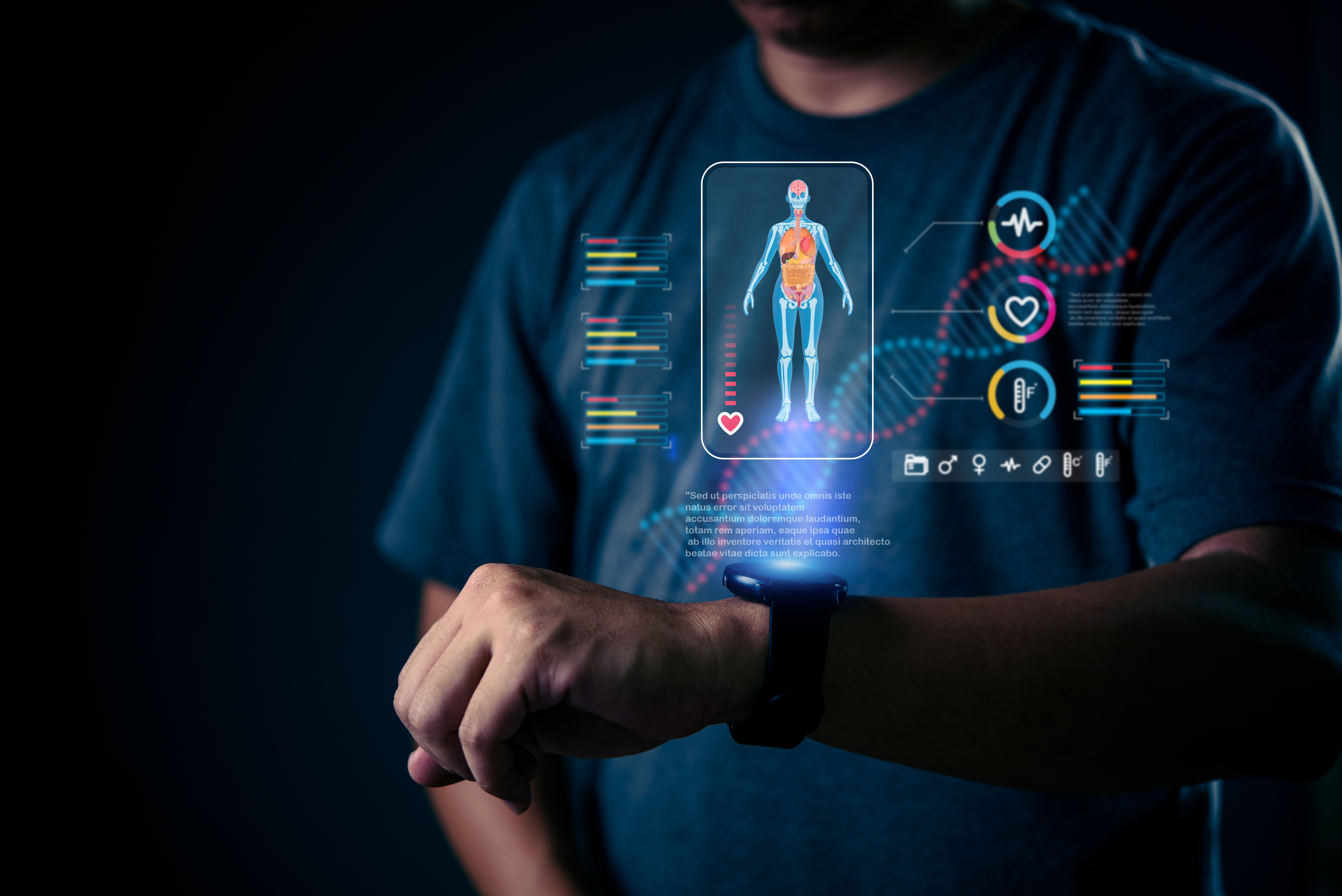
Project Goal – To develop a mobile application, a digital tool designed to empower parents to effectively navigate complex regulations, track medical appointments, and manage extensive paperwork to ensure their children receive the right care on time today, while preparing for their financial future and legal protection.
The Complex Care Planning App will provide a centralized, secure platform for parents to manage contacts for medical professionals, track therapies, consolidate visit summaries, and streamline the completion of necessary forms. The application will be developed for both iOS and Android using React Native and will be supported by a secure, scalable cloud backend infrastructure on Amazon Web Services (AWS).
Project Summary – For pediatric patients with medical complexity (multi-system disease multiple subspecialists) transitioning into adulthood requires financial planning for their future, arranging living accommodations, coordinating transportation and all needed equipment, insurance coverage through the state and national health systems, transition of therapies and subspecialists to adult providers, coordination of home nursing services, and specific legal documentation, all before their 18th birthday. The Complex Care Planning App will serve as a secure, consolidated hub for a child's medical information, managed directly by their parent or guardian. Core Features will include:
- A unified dashboard that gives parents an at-a-glance view of their child's care, including a checklist of completed and pending sections like medications and home nursing services.
- An organized list of all doctors and specialists with their contact information and associated health system and the ability to add new providers as needed.
- A secure, centralized location for uploading and storing important documents such as visit summaries, test results, and regulatory forms.
- The ability for parents to manage profiles for one or more children, facilitating easy switching between dependents.
- The ability to track required forms and regulations and send push notifications to remind parents of upcoming deadlines or incomplete sections.
- A simple interface for administrators to update form links or other essential information that is then reflected in the app.
Work will begin with an original cohort of about 20 known patient families within the Complex Care Clinic for the initial stage of trial and feedback about the app. The app trial opportunity will be expanded during the latter half of the grant to additional interested families within the Complex Care Clinic as well as the general pediatric practice. Once all the coding is relined and the product functioning well, the plan is to approach the Clinical Directors of the Children’s Hospital of Philadelphia and Penn State Hershey Children’s Hospital Complex Care Programs, introduce the app and structure, and invite them to tell their patients about the app.
The success of this project will be measured by user adoption, parent surveys reflecting knowledge of and comfort with the included categories of care planning before and after use of our app, patient and parent satisfaction surveys regarding usability, and a quantifiable improvement in the efficiency of managing pediatric healthcare regulations and processes for the provider team.
The Pregnancy After Loss (PAL) Collaborative Center

Recipient: Dr. Serena Wu - Pennsylvania State University (Hershey, Pa)
Grant amount: $100,000
Project Goal – To establish a multidisciplinary center in Central Pennsylvania aimed at supporting women during a pregnancy after loss that will integrate and foster direct partnership across various fields, including Behavioral Health, Maternal-Fetal Medicine (MFM), Complex Family Planning (CFP), Social Work, Internal Medicine, and Reproductive Endocrinology and Infertility (REI). The clinic will focus on coordinated management and provide comprehensive wraparound care and seamless care transitions, from inpatient to outpatient services. Goals of the Pregnancy After Loss Collaborative Center include:
- Establish a multidisciplinary team to effectively manage and coordinate each patient’s individual care needs, creating personalized care management plans for every patient.
- Foster partnerships across the OB/GYN, medicine, surgery, social work and behavioral health disciplines to streamline comprehensive team management.
- Create a safe environment that empowers patients to advocate for themselves and play an active role in their physical and mental health as they consider a pregnancy after loss and throughout said pregnancy.
Project Summary – Initial contact with the clinic can occur through various pathways, including inpatient admission, postpartum and bereavement care, and direct referrals. A comprehensive evaluation of the patient’s medical history and stillbirth investigations including previous laboratory and pathology results will be complemented by the Pregnancy After Loss team, which specializes in addressing the complex needs of individuals coping with pregnancy loss. In addition, a thorough exploration of the patient’s trauma history and social circumstances will be conducted, as these elements can significantly influence their emotional well-being and care. Through shared decision-making with the patients, the multidisciplinary team will outline and collaborate on a personalized care plan and effective next steps in the patient’s ongoing care and support.
Clinic services will include immediate access to a licensed behavioral health provider within the hospital system, who will create a comprehensive treatment plan. Additionally, complementary therapy options will be available, such as massage, yoga, meditation, alongside medical services, including trauma-focused therapy. Families will receive a welcome kit filled with a comprehensive list of available services and support. To ensure that all staff at Penn State Health are trauma-informed and clinically trained, every current and incoming clinical staff member will undergo training during onboarding and receive annual updates. Educational materials will also be provided to assist staff in communicating effectively with patients.
Developing a Risk Prediction Model for Routine Overnight Vital Sign Monitoring

Recipient: Dr. Denise Xu - University of Pennsylvania Health System (Philadelphia, Pa)
Grant amount: $99,918
Project Goal – To develop and rigorously validate a new risk prediction model of overnight clinical stability to identify patients who are safe candidates for sleep promotion in the hospital. Improving sleep in the hospital by reducing unnecessary awakenings has the potential to improve health outcomes, patient satisfaction, and hospital staff efficiency. Acknowledging that vital signs must always be checked when clinically indicated based on patient-specific concerns, the goal for sleep promotion is to eliminate unnecessary routine checks. It would place the spotlight on the Commonwealth as a leader in patient-centric care, one that is uniquely focused on patient recovery, of which sleep is a vital component.
Project Summary – The project will utilize an existing dataset from the Complete Inpatient Record using Comprehensive Electronic data. This dataset contains inpatient health record data from >2 million admissions over eight years (2017-current), from six hospitals across Penn Medicine. It includes vital signs, lab results, diagnostic and procedure codes, orders, medications, patient locations, and clinical notes. The data have been cleaned and validated by clinician-scientists and medical data scientists. This project will include patients on non-ICU hospital wards and will focus on routine vital sign checks, i.e., vital signs monitored on a predetermined schedule, not prompted by a specific clinical concern. The outcome intended to be predicted are routine vital sign abnormalities that lead to urgent clinical action, defined as a stat order, rapid response, or transfer to a higher level of care occurring within one hour of vital sign collection. The algorithm will be integrated into the EHR and the tool will be piloted within a unit of neurology inpatients to assess impact on clinician behavior, patient experience, and clinical outcomes.
PAMED awarded Innovation Grants to five members to fund projects that encourage, facilitate, recognize and reward innovative and creative approaches to the field of medicine. Grants were awarded through a competitive process requiring the submission of Letters of Intent and formal proposals. No individual grant proposal could exceed $100,000. All identifying information regarding the applicants, project sites, employers, etc. was redacted and not available to the Innovation Committee throughout the entire process, including review and scoring.

Copyright © 2025 Pennsylvania Medical Society. All rights reserved.